Sustainability
A heritage of responsible harvesting
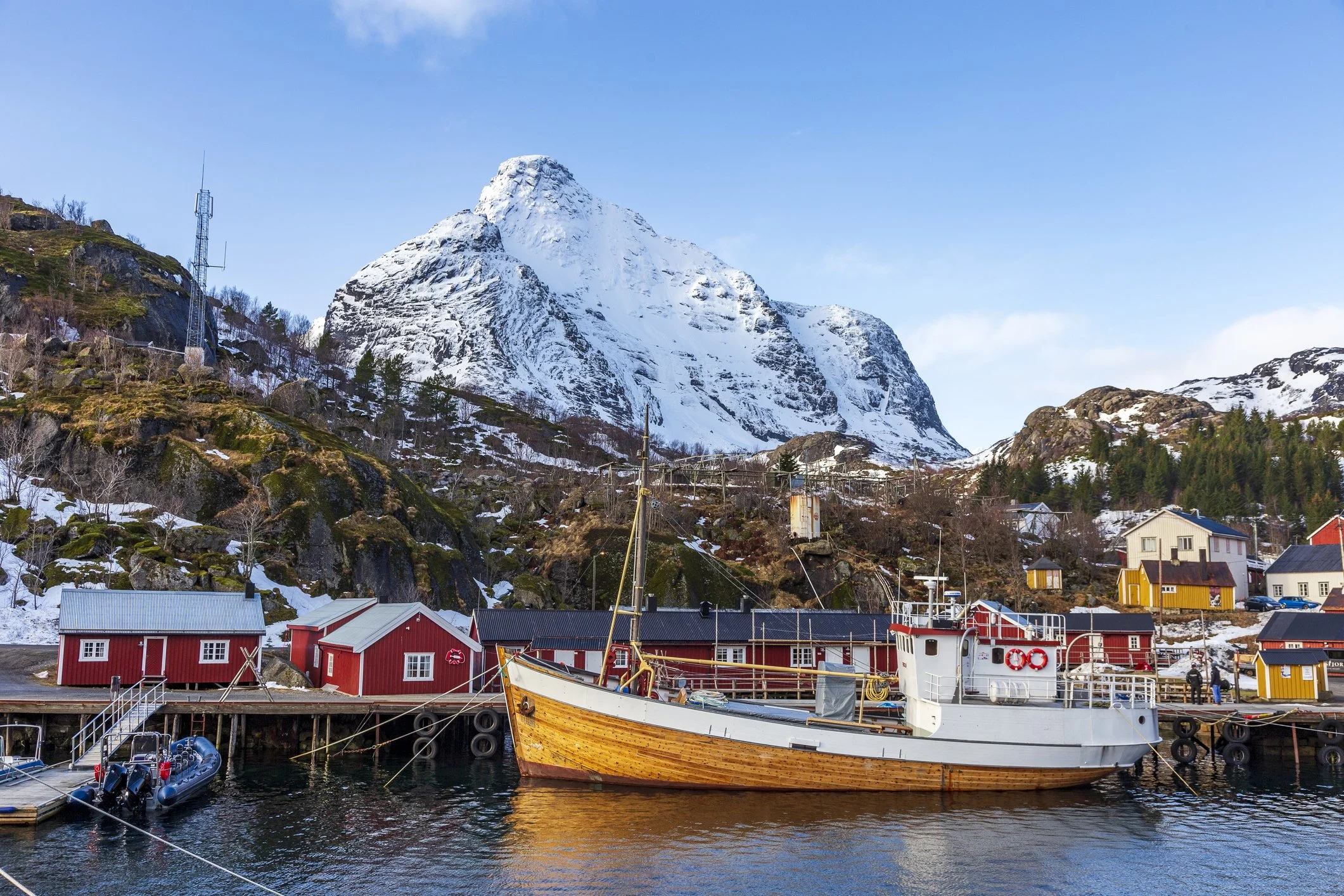
For centuries, coastal communities in Norway have relied on pelagic fisheries. With that long history comes a deep responsibility: to protect the ocean, maintain healthy fish populations, and ensure future generations can enjoy the same high-quality Norwegian mackerel available today.
Safeguarding the stock, especially in key feeding and spawning areas, sits at the core of Norway’s fisheries policy. By managing harvests carefully and respecting natural cycles, Norway works to keep the mackerel population strong and resilient for years to come.
A healthy, resilient stock with a low environmental footprint
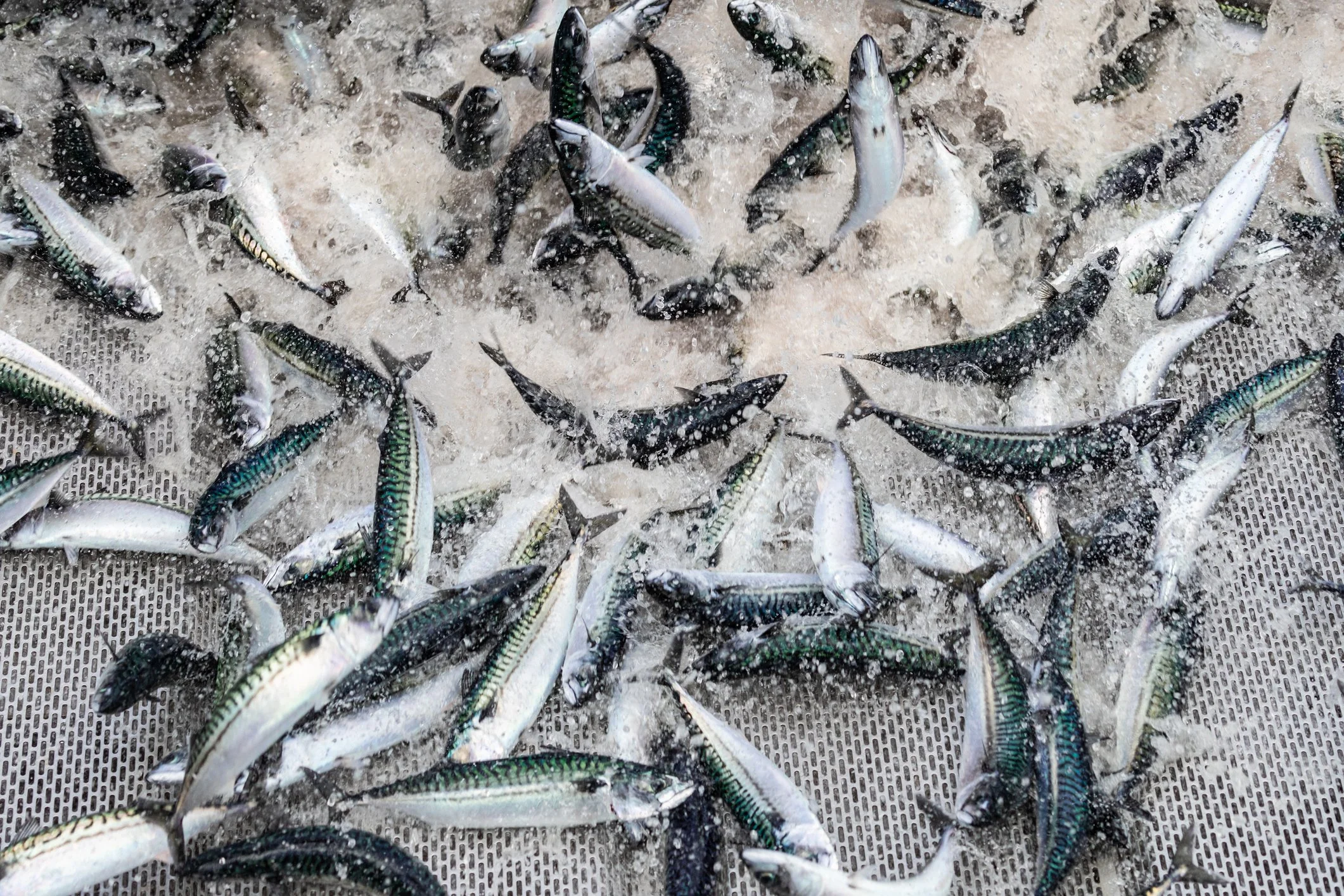
Norway’s coastline offers the perfect conditions for thriving pelagic species, and generations of fishing expertise have shaped a fishery that is both efficient and respectful of the sea. Norwegian mackerel grow in cold, nutrient-rich waters and migrate in large, dense shoals, a natural behaviour that allows modern vessels to harvest them with relatively low fuel use and minimal environmental impact.
Because these fish are caught using highly efficient gear and in concentrated schools, the carbon footprint per kilo is among the lowest in global seafood.
The latest scientific advice from ICES (2022) shows that the Northeast Atlantic mackerel stock remains biologically strong, with the spawning biomass sitting comfortably above precautionary reference points and retaining full reproductive potential.
Norway’s legal framework for protecting fish stocks
Norway was one of the first nations to create a quota-based fisheries system, reshaping how northern waters were managed throughout the 1980s. These reforms were built on a simple principle: harvest only what the ocean can replace.
Key components include:
Seasonal closures to protect vulnerable areas at critical times
Strict rules on gear and mesh size to reduce bycatch and ensure juvenile fish are not targeted
A complete ban on discards, implemented in 1987, decades before similar principles were adopted elsewhere
Adaptive management, allowing authorities to open or close grounds based on real-time scientific data
Together, these laws form one of the world’s most comprehensive frameworks for preserving marine ecosystems.
Oversight and enforcement
Norway’s sustainability efforts are only effective because they are backed by rigorous enforcement.
The Norwegian Coast Guard dedicates a large portion of its operations to fisheries control, ensuring vessels follow regulations on timing, location, and gear use.
The Directorate of Fisheries conducts inspections both at sea and in port, monitoring catches and verifying compliance with quotas and reporting requirements.
Because of this oversight, illegal or unreported fishing for mackerel in Norwegian waters is extremely rare.
Science at the centre of management
Every regulatory decision, from quotas to minimum landing sizes, is informed by continuous scientific monitoring.
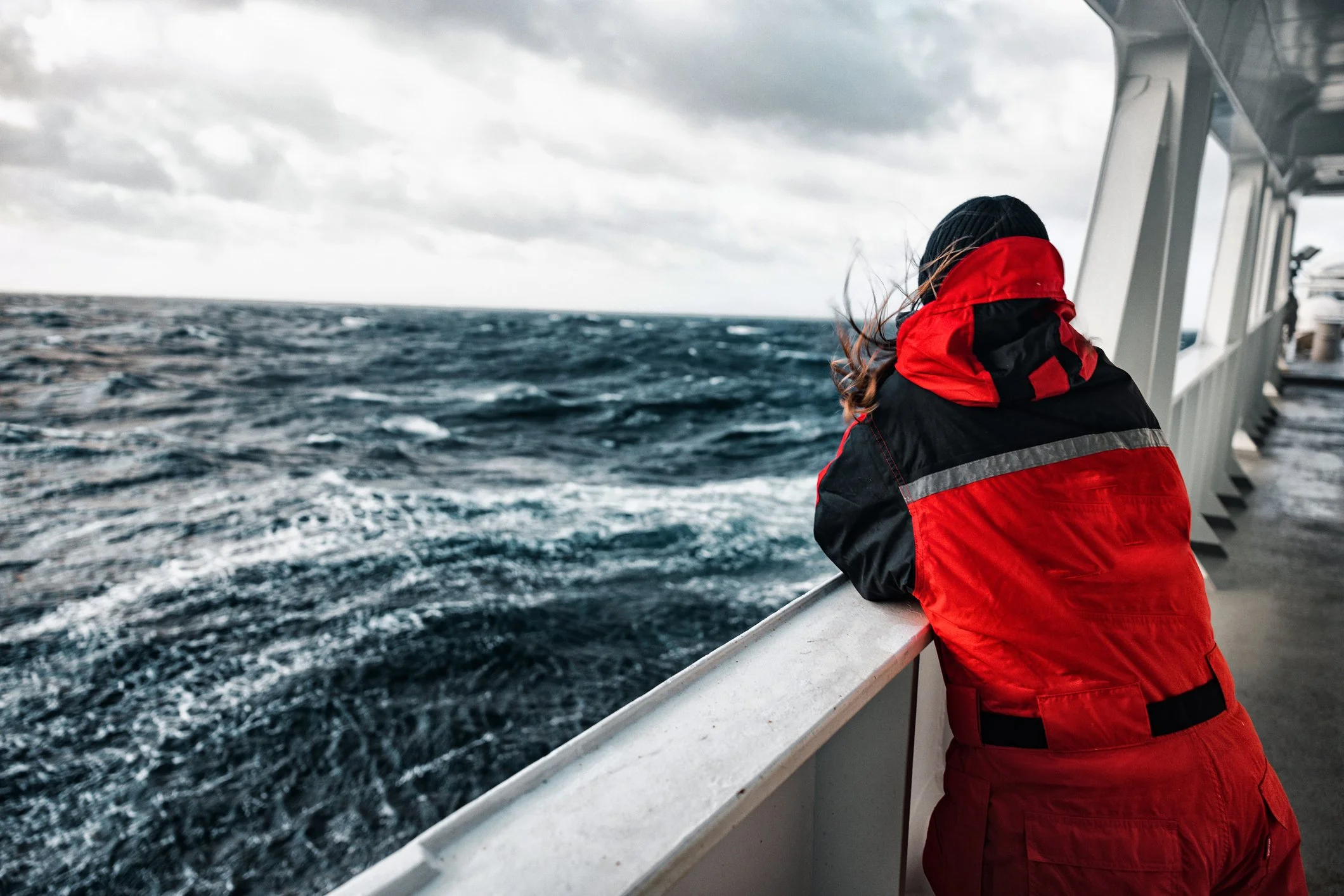
Research vessels survey mackerel across their wide migratory routes, using sonar and biological sampling to track spawning biomass and distribution. When the data calls for change, quotas are adjusted or new rules are introduced to protect the stock.
Norwegian research institutions also study how environmental change influences pelagic species and provide ongoing advice to ensure that harvesting remains responsible and ecosystem-based.
What this means for consumers
Norway’s fisheries approach is built on long-term stewardship and transparency. From the moment a fish is caught to the moment it is sold, the process is controlled, documented, and monitored.
This commitment ensures:
Healthy, well-managed stocks
Strong coastal communities
A seafood industry built on responsibility and scientific evidence
Norway’s own systems continue to prioritise sustainability, responsible harvesting, and the protection of marine resources for the generations that will follow.